How to Train for an Autumn Marathon This Summer
This post is a paid partnership with Very.co.uk
I’ve run 23 marathons. Some in the spring, some in the autumn, and really, there’s no better option between the two. They’re just different. Spring marathons mean winter training: dark mornings, soggy trails, and digging deep when the last thing you want to do is leave the house. Autumn marathons mean something else entirely: training through the summer, which brings its own set of challenges and, if you get it right, its own rewards.
I’ve toed the start line at Frankfurt, Dublin, Venice, and Eryri marathons in September and October. I even ran London Marathon the year it was moved to October. Every single one taught me something about how to make summer training work rather than fight against it.
If you’ve signed up to an autumn marathon, here’s what I’ve learned.
Spring vs Autumn: The Real Difference
Spring marathon training is a battle against the weather. You’re doing your longest runs in January and February, which in the UK means cold, dark, and frequently very wet. The upside is that race day is usually cool, which is ideal for running fast.
Autumn marathon training flips this entirely. Your long runs fall in June, July, and August. Race day weather is unpredictable – October can be crisp and perfect, or it can surprise you. The training window is more enjoyable in many ways: longer days, no ice underfoot, and the kind of mornings that make you remember why you started running. The challenge is managing the heat during training without burning out before you even reach the start line.
But there’s another side to summer training: life gets complicated. Holidays, kids off school, more social occasions, barbecues, last-minute plans. Summer is wonderful and also relentless in the way it fills up your diary. Autumn marathon training happens right in the middle of all of it, which is exactly why the sooner you start, the better. A disrupted week in July hurts a lot less if you’ve already built a solid base.

Start Now and Build Slowly
If your marathon is in September or October, your training is either already underway or needs to start soon. The temptation with autumn marathons is to leave it a bit late because race day feels far away. Don’t.
Building your base over a longer period gives you time to adapt gradually, which matters more than most training plans acknowledge. You’re not just building fitness, you’re teaching your body to run in warmer conditions, which takes longer than people expect.
Start with three or four runs a week at easy effort, and resist the urge to run by pace in the heat. Run by feel instead. If it feels hard, it is hard, regardless of what the numbers say.
Making It Work Around the Kids
School holidays are six weeks long and your training plan doesn’t care. This is one of the biggest practical challenges of autumn marathon training for parents.
My approach is to include my son wherever I can rather than trying to find time away from him. He comes out on his bike while I run, which works brilliantly for both of us. He gets fresh air and a reason to get off screens, and I get my miles in without the guilt of disappearing for two hours. It won’t work for every run, and it definitely won’t work for your long runs, but for easy midweek miles it’s a genuinely good solution. Get creative with how training fits into family life rather than treating it as something that has to happen separately from it.
What to Wear When It’s Warm
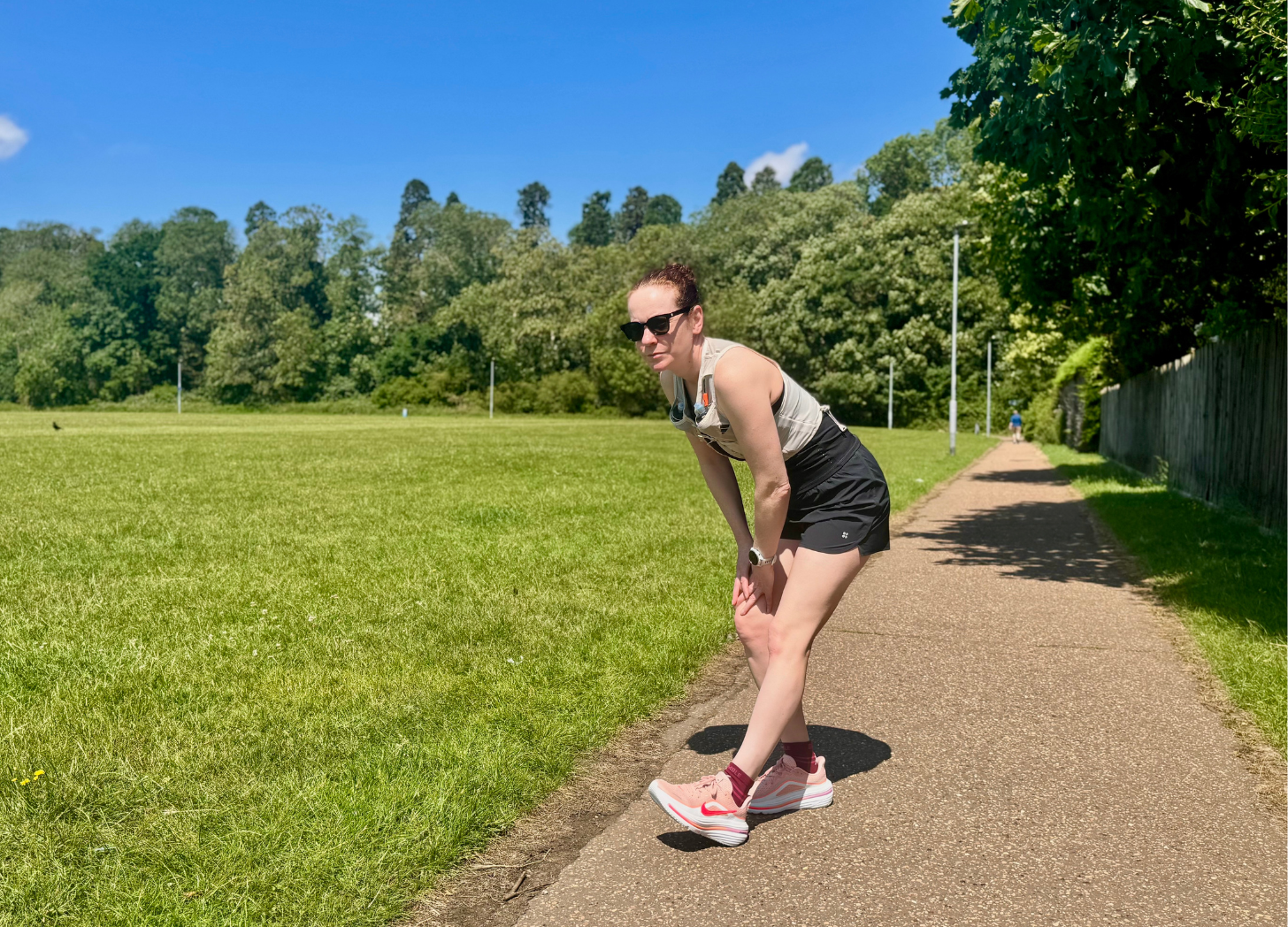
Kit choices matter in summer. Wearing the wrong thing on a long run in July isn’t just uncomfortable, it can cut your run short entirely.
Lightweight, breathable fabrics are non-negotiable. Look for shorts and tops that wick sweat away quickly and don’t chafe, because everything chafes more when you sweat.
The Kit That Changes Everything on Long Runs
You’ll need to consider how you’re going to carry things including your water or electrolyte drinks. Running vests can be a gamechanger. Running with your own water supply is genuinely transformative for long runs in warm weather. You can run wherever you want, for however long you want, and you always have what you need.
A well-fitted vest sits close to your body without bouncing and quickly starts to feel like part of your kit rather than an add-on.
Shoes That Can Take the Mileage
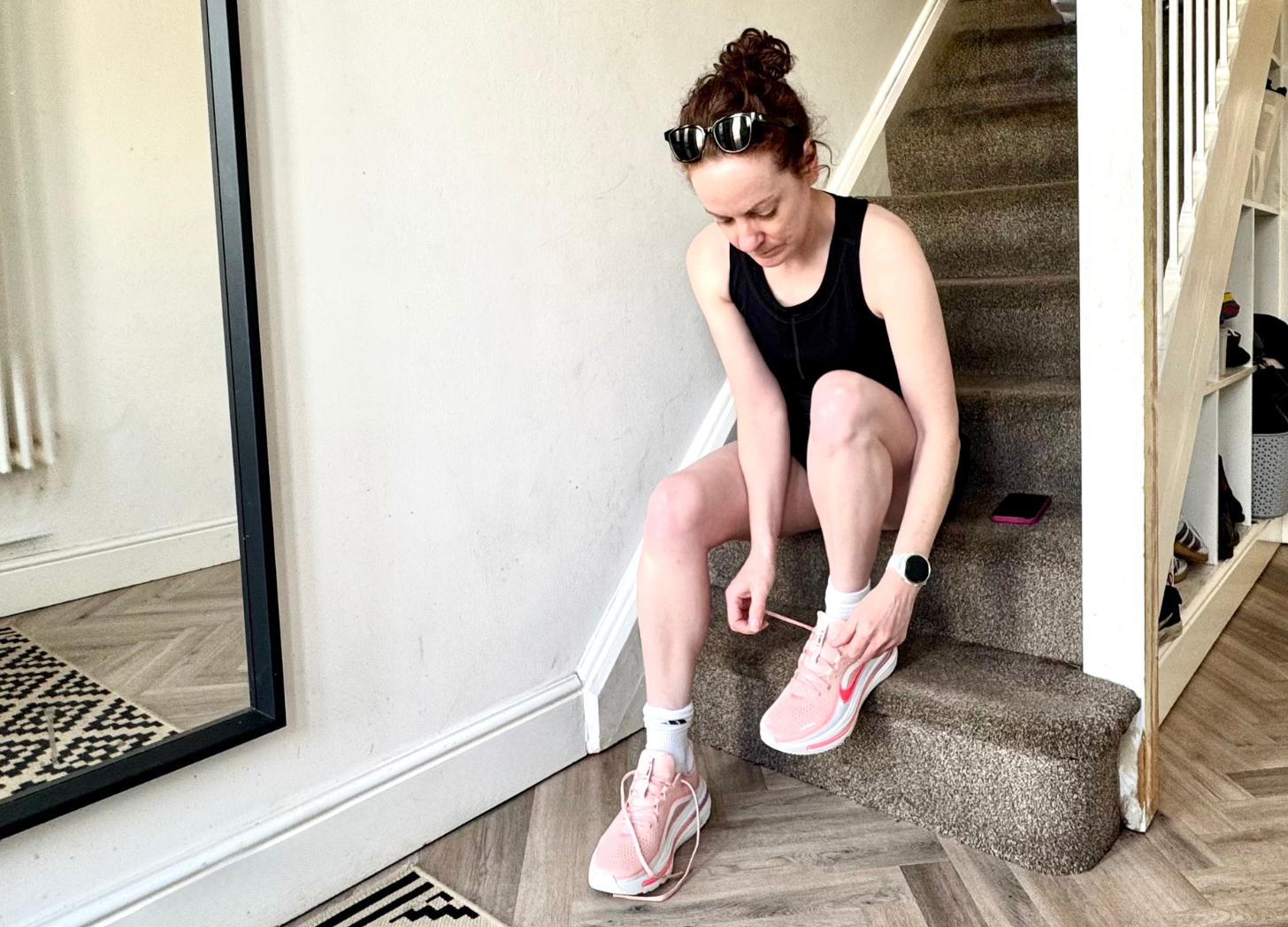
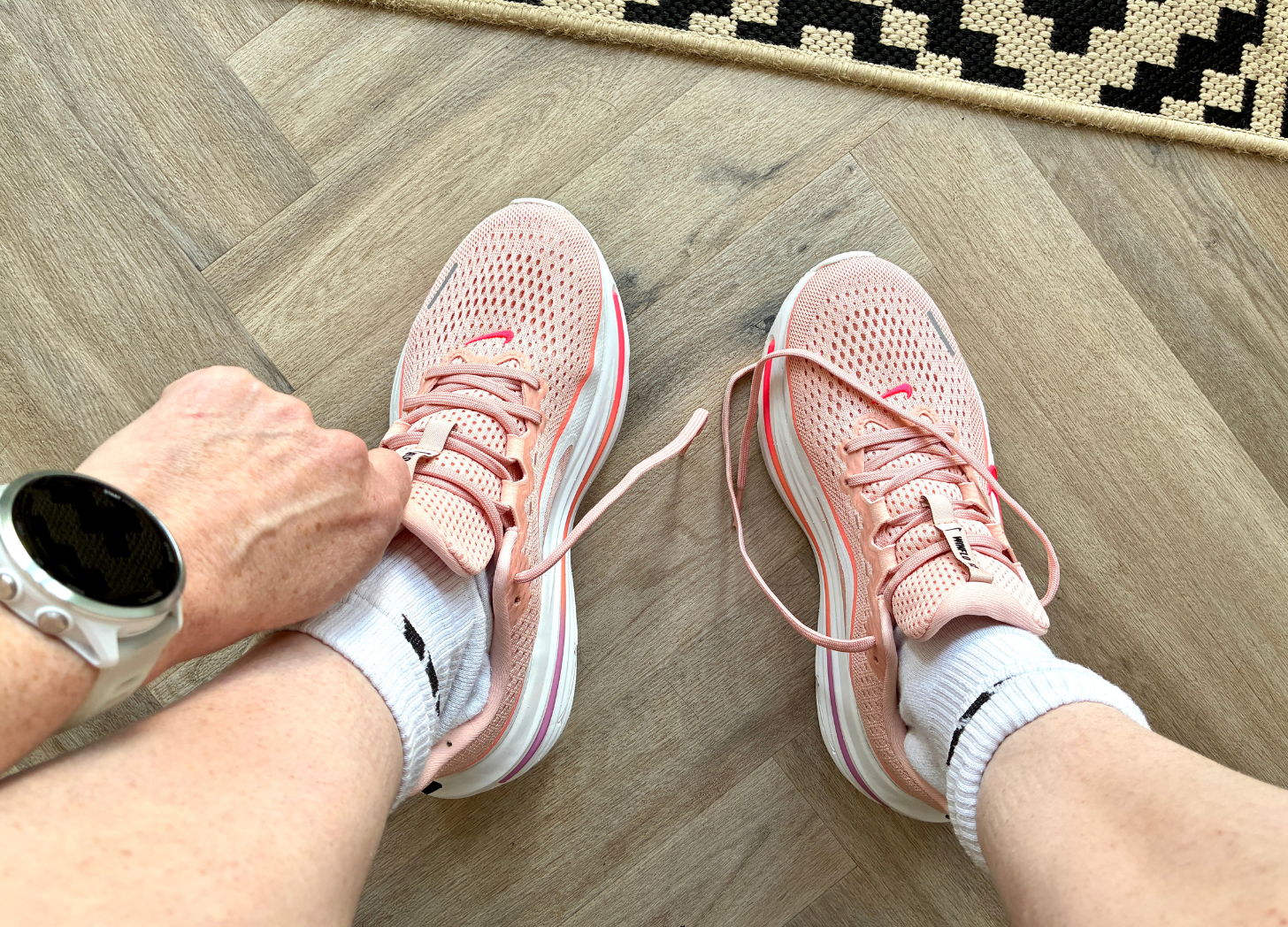
Autumn marathon training means a lot of summer miles, and summer miles add up fast. You’ll want a training shoe that’s reliable and comfortable over long distances. Not a race day shoe you’re saving for the big day, but something that can absorb the everyday miles without your feet paying for it.
I tend to rotate between pairs during a training block, which extends the life of them and lets each pair recover between runs. Nike running trainers are popular with a lot of marathon runners.
Don’t Neglect Recovery
Summer training has a sneaky way of piling fatigue on top of fatigue. The warmer temperatures mean your body is working harder even on easy days, and it’s easy to underestimate how much that accumulates over weeks of training.
Build rest days in and actually rest on them. Gentle walking, stretching, or an easy yoga session counts. What doesn’t count is telling yourself you’ll just do a quick easy 5k because even easy runs aren’t recovery. Sleep more than you think you need to. Eat enough. These things sound obvious but they’re the first to slip when life gets busy over summer.
Race Day Is Closer Than It Feels
The thing about autumn marathons is that summer always feels long until suddenly it isn’t. September arrives quickly, and by then you want to be feeling strong, well-trained, and ready, not scrambling to catch up on missed long runs.
Start now. Get creative with how training fits around family life. Invest in kit that makes the miles easier. And remember that every warm, sticky summer long run is putting miles in the bank for a race day that’s going to feel a lot cooler.
Kit featured provided by Very.co.uk: Sweaty Betty shorts; Sweaty Betty top; Adidas running vest, Nike running shoes.